
A sci-fi tabletop RPG, 2015 to now
Live the sci-fi dream.
Sol is a sci-fi, card based, tabletop roleplaying game my friend Kyle and I started making in 2015. We played it for years, rebuilt it twice, and it still isn’t finished. This is its story so far.
A joint creation with Kyle ‘Swarm It’
Background: the Sol title sequence Kyle animated in 2016
2014 to 2015
Before the game
The idea was a web series
Before Sol was a game, the plan was a show. We never made it. Kyle and I had both made a lot of movies in high school and both went to college for film, so a web series kinda made sense.
It was called The Crew: a sci-fi series that would show the stories of the working class people on a starship, rather than the captain and the higher officers. The closest things to it are Star Trek: Lower Decks or Firefly.
It was a cool idea and all, but we didn’t have the resources to achieve it, and we weren’t even in the same state.
At the same time I was watching a lot of Urealms Live, a simplified, card based take on Dungeons and Dragons played on stream. I saw him and his friends making content and stories with his game and thought, why can’t I do that?
So I suggested the idea to Kyle, he agreed we should do it, and we got to work making the game.
Fall 2015
The first rules
Making the game
Sol started taking form in Fall 2015. The first rules used four stats (Strength, Agility, Intelligence and Endurance), a twenty sided die for almost everything, and cards for every race, class, ability and item.
Most of the inspiration came from Urealms, plus the video games Kyle and I were playing at the time, Diablo 3 and League of Legends. Believe it or not, the first roleplaying game I actually played was Sol.
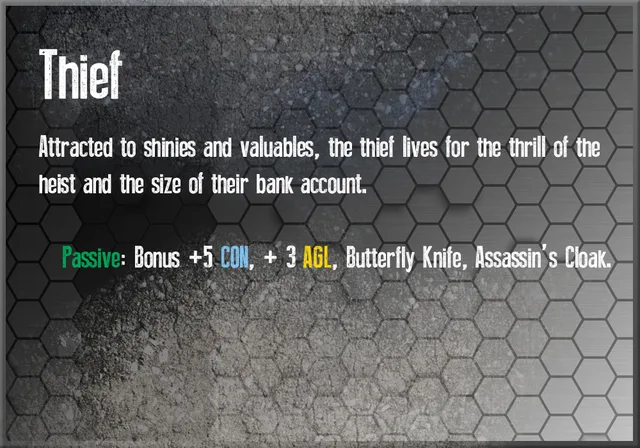 Class · Thief
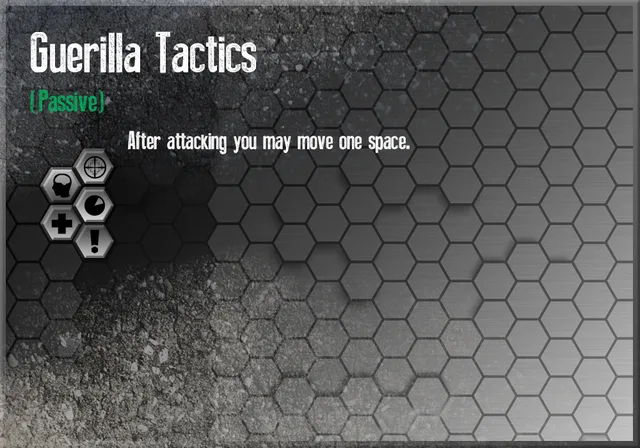 Ability · Guerilla Tactics
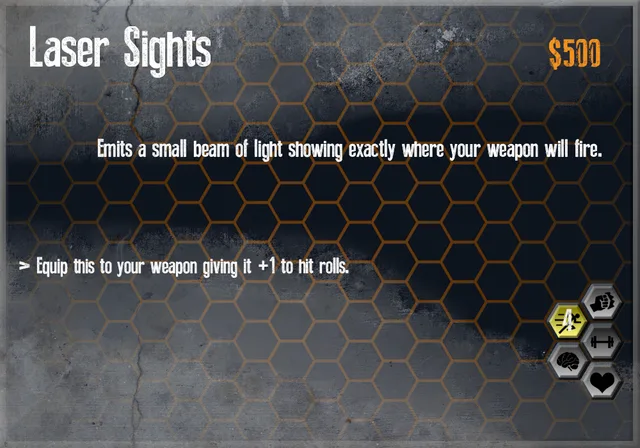 Item · Laser Sights
From the Sol Beta 0.9 deck, December 2015.
Making a character in 2015
- Roll a d10 each for Strength, Agility, Intelligence and Endurance.
- Adjust by lowering one stat by 2 to raise another by 1.
- Pick a class and choose 3 of its 5 abilities.
- Go shopping with $1,000 in starting credits.
The original 21 classes
- Infantry Marine 1.2: merged with the Mercenary and renamed Marine
- Heavy Weapons
- SEAL Marksman 1.3: renamed Marksman
- Knight
- Medic
- Officer
- Engineer Robotics Engineer 1.4: renamed Robotics Engineer
- Doctor
- Psychologist 1.2: reworked, because no one played them
- Diplomat
- Merchant
- Explorer
- Bounty Hunter
- Nomad
- Bartender
- DJ
- Pirate
- Assassin
- Mercenary 1.2: shared three abilities with the Infantry, so the two became the Marine
- Thief
- Mad Scientist
- Computer Specialist 1.2: new class, along with the new A.I. race
How Sol 1.4 plays
Roll the d20
In Sol, the success or failure of almost any action is decided by a dice roll. Firing a rifle, leaping over a chasm, searching through a computer system, or bluffing a military guard: all of it is determined by a roll of a d20.
There’s only one core rule to Sol.
When in doubt, do what will be the most interesting or the most fun.
Tap the die to roll
- 1Critical failure
- 2–7Failure
- 8–11Possible success
- 12–19Success
- 20Critical success
Roll to see what happens.
Winter 2015
Patch 0.9 to 1.1
The first campaigns
None of this was public. We played Sol at a table with friends, and every campaign doubled as the test for a patch: run it, watch what broke, rewrite the rules, run the next one.
The first test was a prison arena, built to prove the combat loop before anything else got made. Sol saw its first full game at the beginning of 2016 with Breaking and Entering, which ran across two patches: a space station around Jupiter, then the research base on the moon below it.
Early 2016
Patch 1.2
Onto Tabletop Simulator
We played Sol on Tabletop Simulator, and put every card, board and die up as a free mod on the Steam Workshop, Sol RPG (Official), where you can still play it today.
After Breaking and Entering, patch 1.2 changed almost every class:
- A new A.I. race, and a new class to go with it: the Computer Specialist.
- The Infantry and Mercenary merged and became the Marine. See, I can get rid of classes too.
- Multiclassing became the Human race passive, since humans aren’t the only thing in the galaxy.
- The Psychologist was reworked, because no one played them.
Then came The Unusual Suspects, a noir murder mystery that tested whether Sol could run a session with almost no combat in it. Every player got a secret backstory sent to them privately, and the rules changed to suit: no free healing between fights, and a handful of locations instead of one board.
2016
Patch 1.3 and 1.4
The item update and the trait update
Patch 1.3, “The Item Update,” came after The Unusual Suspects. All 237 items were reworked, more than 50 new ones were added, and every card got a new look. Drag across the card to compare.
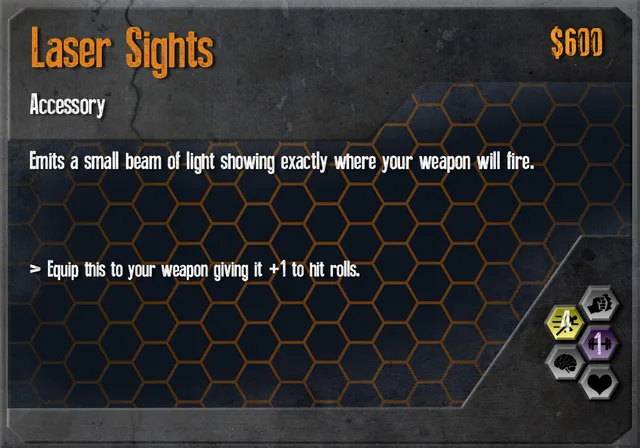
Items got rarities, colour coded so they’re easy to read at a glance. Fifty of the new items were inspired by Diablo 3’s legendaries: items that change how an ability works. We affectionately called these diablofied items.
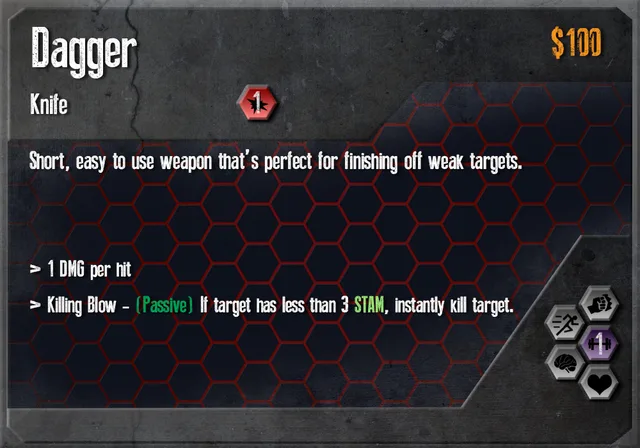 White · Common
- Yellow · Rare
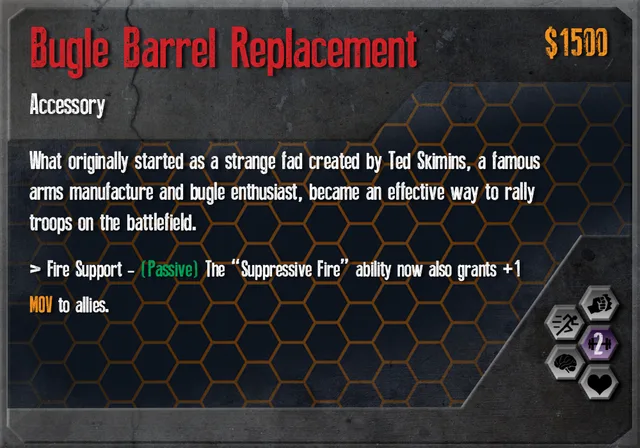 Red · Legendary
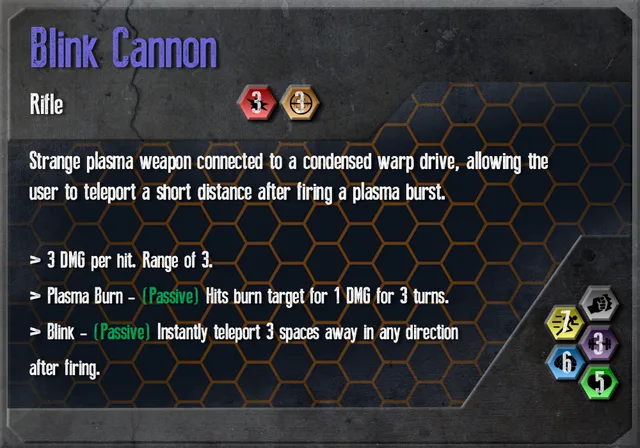 Purple · Relic
1.3 also renamed the SEAL to the Marksman, added a new alien race (the Biss, with the Craftmaster and Heartblind subraces), and brought in a way to dual wield any two weapons using their weight. It’s the best worst mechanic in the game.
Dual wielding, patch 1.3
Take the weight of both weapons, add them together, then subtract that from both rolls.
“While still technically possible but not a good idea, a character could wield a rocket launcher in one hand and a claymore in the other, even though it would subtract 13 from each roll.”
Patch 1.4, “The Trait Update,” added traits: small bonuses picked from your stats, in four categories with five subcategories and five tiers each. It also added loot dice, and the Engineer became the Robotics Engineer. Sol 1.4 is the version on the Steam Workshop today.
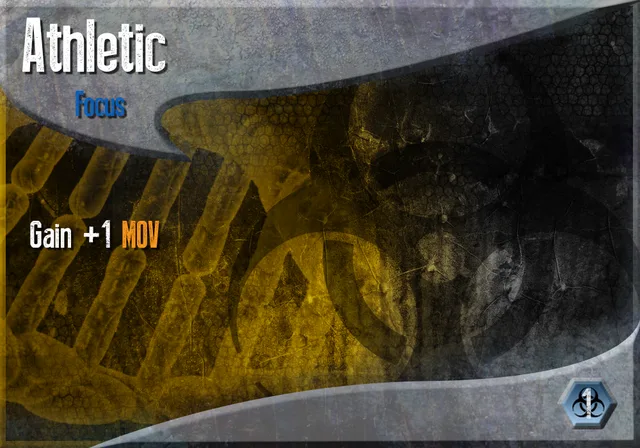 Trait · Athletic
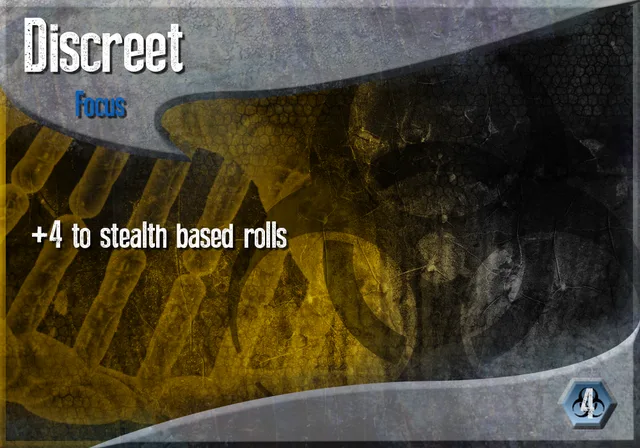 Trait · Discreet
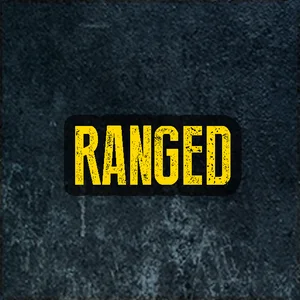
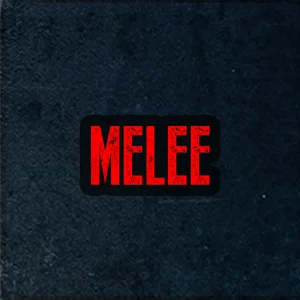
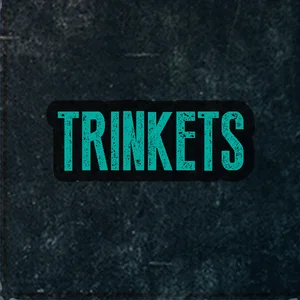
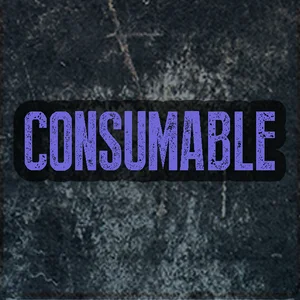
Loot dice, patch 1.4
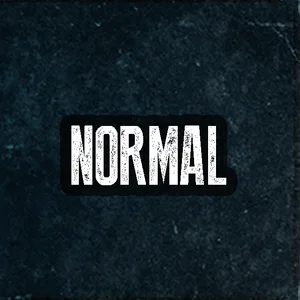
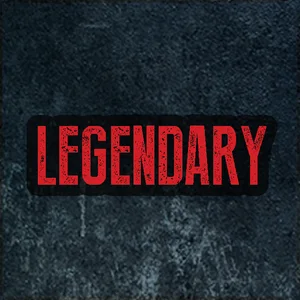
Roll both when the crew finds loot. One says how rare it is, the other what kind of item it is.
You found: a Legendary Ranged item
Try Sol 1.4
Build a character
The most important part of Sol are the characters. Pick a race, then a class, from the real Sol 1.4 cards in the Tabletop Simulator version of the game.
1 Race
Human
Biss
A.I.
2 Class
A.I. can only play as the Computer Specialist.
Your character
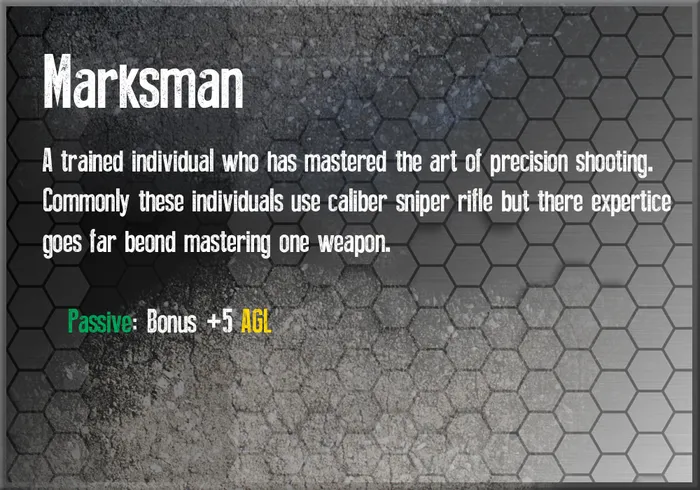
Martian Marksman
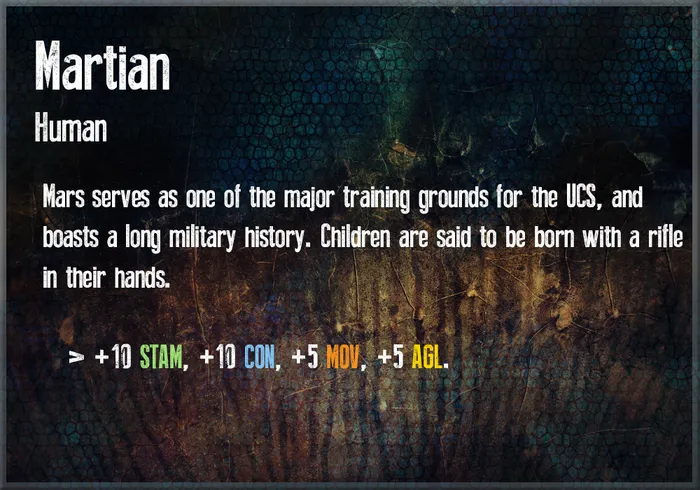
Human · Racial passive: Multiclassing Humans have the ability to multi-class. A Human character can choose 1 of their 3 Class Abilities from a second Class.
A trained individual who has mastered the art of precision shooting, with expertise that goes far beyond mastering one weapon. An Agility based Class, Marksman abilities grant massive bonus damage, for the long range sniper or the quick, efficient spec ops commando.
2016 to 2018
The long campaign
Shippy McShipface
In September 2016 the crew got a ship of their own, a Mule Class cargo ship called Shippy McShipface, and we started the longest campaign yet. It ran fourteen missions.
Yes, that’s really what it was called. This is what happens when you let your players name the ship. Very much in the spirit of Boaty McBoatface.
Instead of running one story we ran a mission board. Jobs went up, the crew picked one, and what happened carried into the next. That turned out to be the format Sol was best at, and it is the reason this one lasted a year while the others lasted a few sessions.
Late 2016 is also when Kyle animated the Sol title sequence playing at the top of this page.
The crew’s story ended with The Return of Blackskull, the last chapter of the Shippy McShipface campaign. It ran through 2018 in two parts and wrapped up that December.
2017 to 2019
Sol 2.0
The update that was never released
We had known for a while that Sol had some major problems, along with some things we just didn’t like. The goal of Sol 2.0 was to start from the ground up and change everything to fix them.
- Concentration became action points: 3 at the start of combat, 1 back each turn. A DJ could use Drop the Bass for 3, or attack three times for 1 each.
- 26 classes, each with a signature ability, including new ones like the Gunslinger, Fencer, Bulwark, Keeper, Drunk, Hunter, Nanomancer, Magnetist, Mentalist and Mixologist.
- Traits grew to 80, with every subcategory reaching tier 5.
The 2.0 rules got their own campaign, a school one called My UCS Academia. I built it back in 2017, but we didn’t actually play it until The Return of Blackskull was over. The academy had three majors (Infantry, Cavalry and Science), a whole faculty, and 26 students, each playing a different class.
“So why was this version never released? Well, besides the fact it wasn’t finished, I just wasn’t happy with it. While all the changes felt cool and were better, it still felt like more of the same.”
On Sol 2.0
2019 to 2022
Rethinking
A design philosophy
After almost 30 sessions, the game needed to grow up with its players. Instead of patching it again, Kyle and I stepped back and wrote down what Sol should actually be.
That became a design philosophy in April 2019, and it still guides the remake:
- Narrative is keyThe mechanics are meant to serve the narrative.
- Gameplay is seamlessMechanics shouldn’t change between “out of combat” and “in combat”.
- Simple at heartUtility should be favored over numbers. Math is inherently bad for the gameplay experience.
- Meaningful optionsPlayers should always have impactful options to choose from.
- No perfect strategyPlayers should never be able to repeat the same set of actions ad nauseam.
- Diverse charactersNo two characters should feel the same.
- UniqueWe aren’t looking to remake D&D or GURPS. The game should encourage a unique sci-fi, narrative driven experience.
2023 to now
Sol 3.0
Starting over
In January 2023 I started a devlog series, flipped the table in Tabletop Simulator, and began remaking Sol. The first nine devlogs pulled apart every old version to work out what to keep. Then the new game started to take shape.
- A deck builder. A roleplaying game like Dungeons and Dragons, but with the deck building mechanics of Slay the Spire. Start combat with 6 cards and 3 concentration. Out of combat, use any ability at any time.
- No more d20. Six stats (Strength, Finesse, Agility, Willpower, Intelligence and Charisma), each rolled with a d4 up to a d12, against someone else’s die.
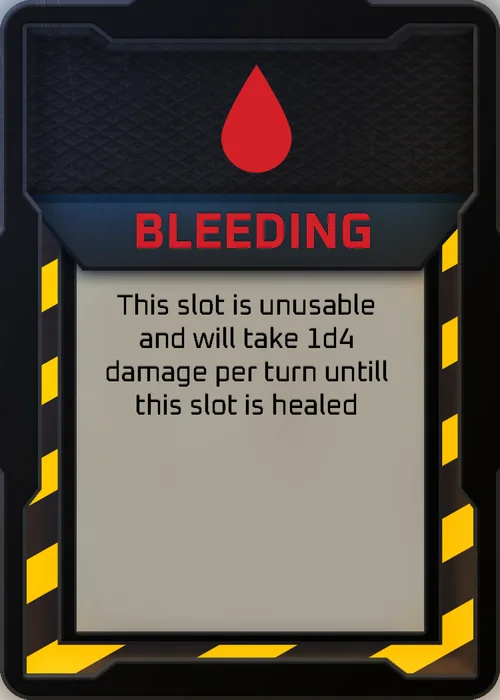
- Damage you feel. A slot based inventory tied to health: as you get hurt, you lose access to the items in those slots.
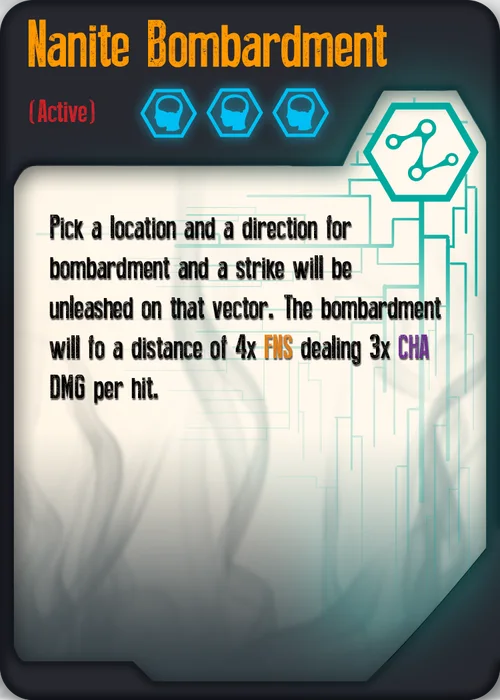
- Mad lib magic. Nano programs and nanites you mix and match. Okay fine, it’s basically magic under the guise of technology.
- Yes, and. When you get hit, you get a say: “yes, you hit me, but I deflect the sword into my shoulder, narrowly missing my head.”
Try the roll off
Your character is trying to sneak by a guard. You roll for stealth, the guard rolls for perception. Bigger skill, bigger die.
Your chance: 25%
No math. All you need to know is which number is higher.
In 2024 I opened a sign-up for playtesters. Sol 3.0 still isn’t finished, which is why this page is a history. I’m writing the next chapter in the devlogs.
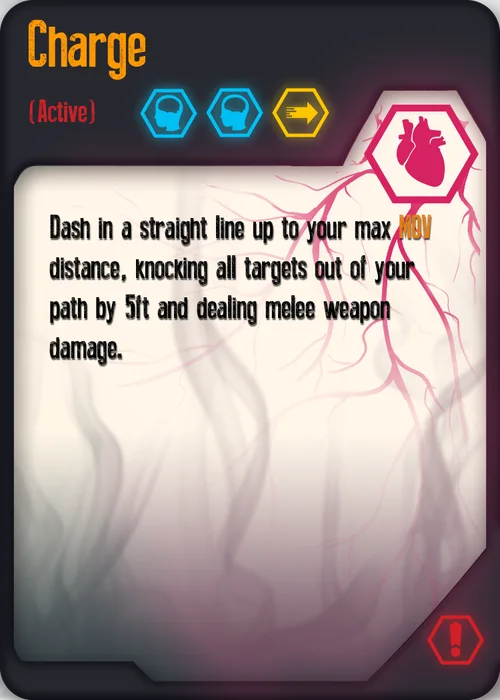
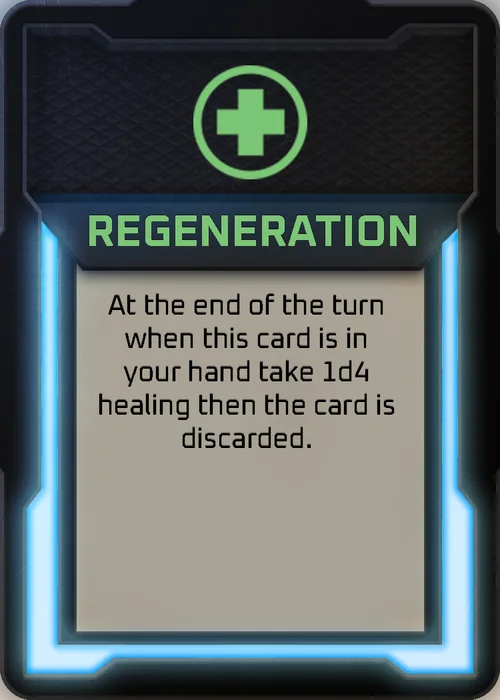
Card design
Nine years of cards
Sol has always been a card game at heart. Drag through every version of the cards.
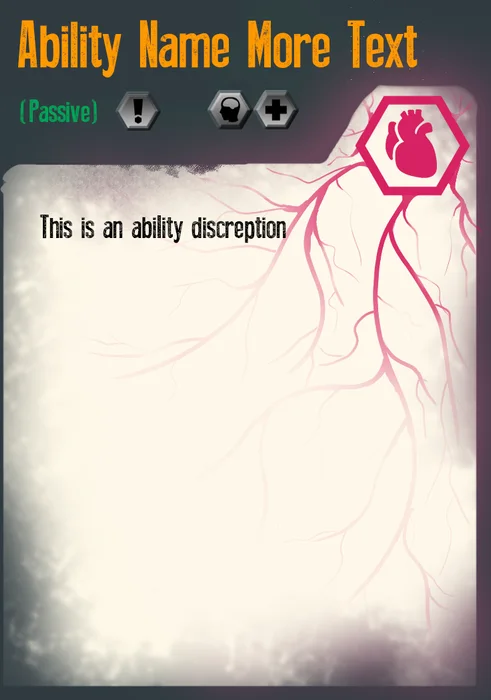
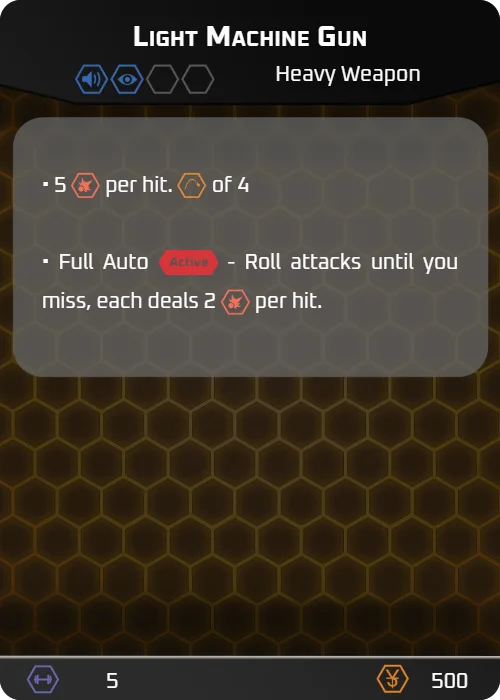
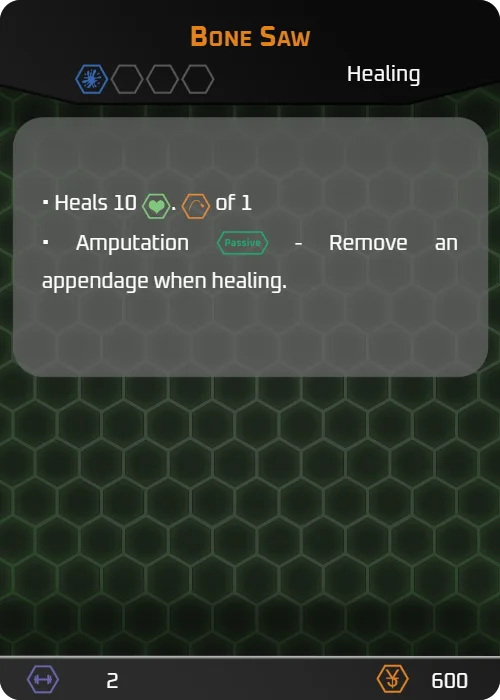
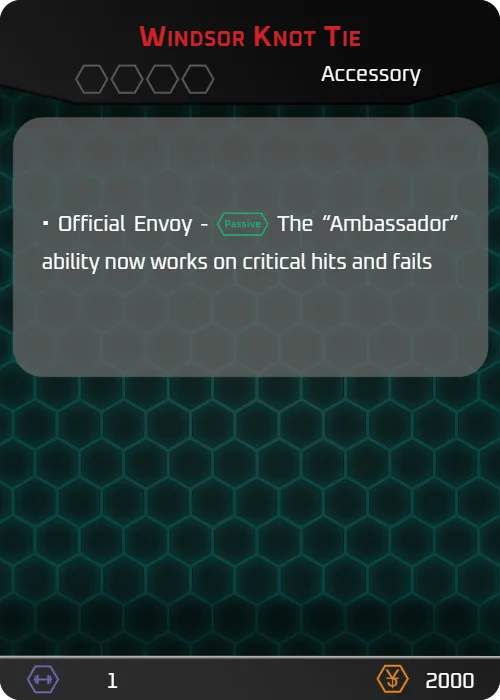
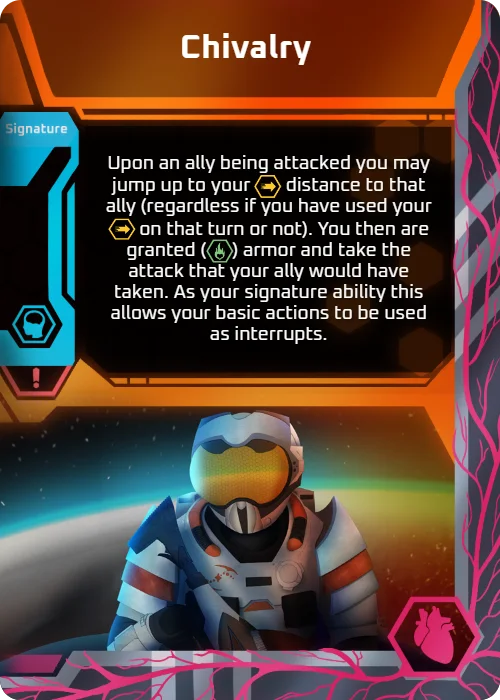
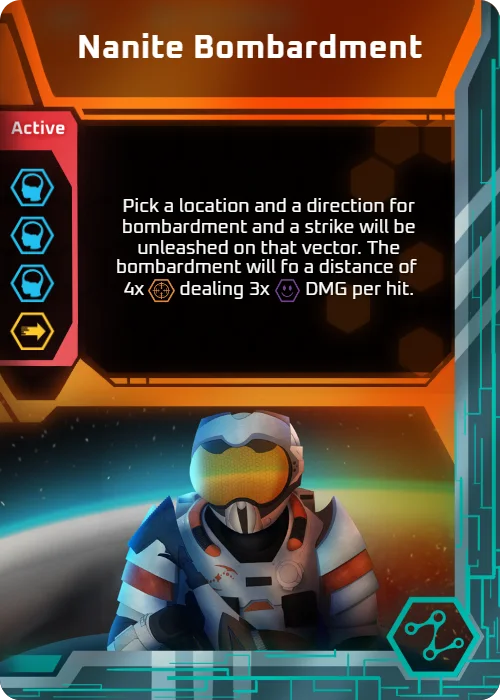
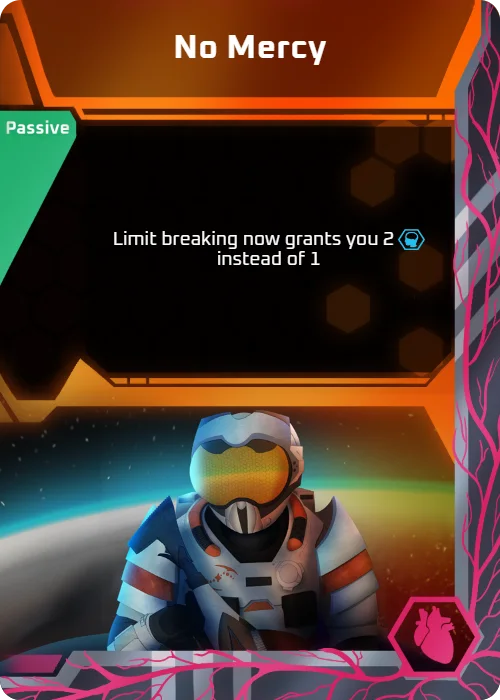
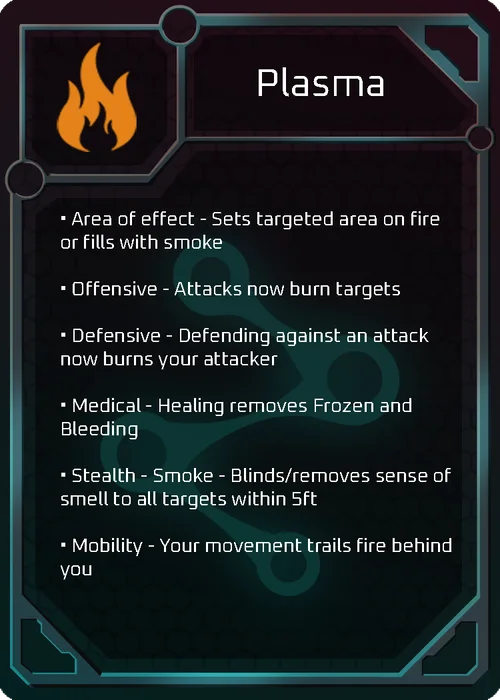
Mar 2024 Mad lib magic
Plasma nanite
Nanites serve as override cards: use a water nanite on a fireball and it becomes something completely new.
Follow along
Every devlog
Open the playlist on YouTube →From flipping the table in January 2023 to the newest systems for Sol 3.0.
Art
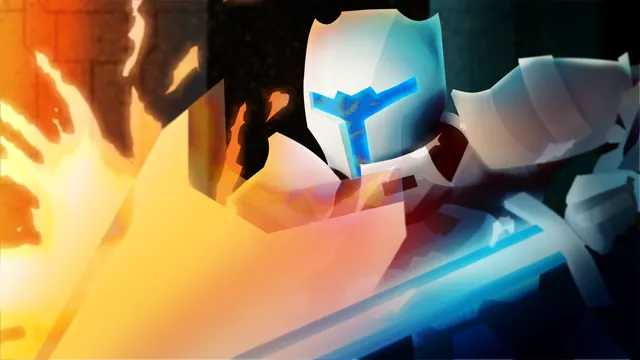
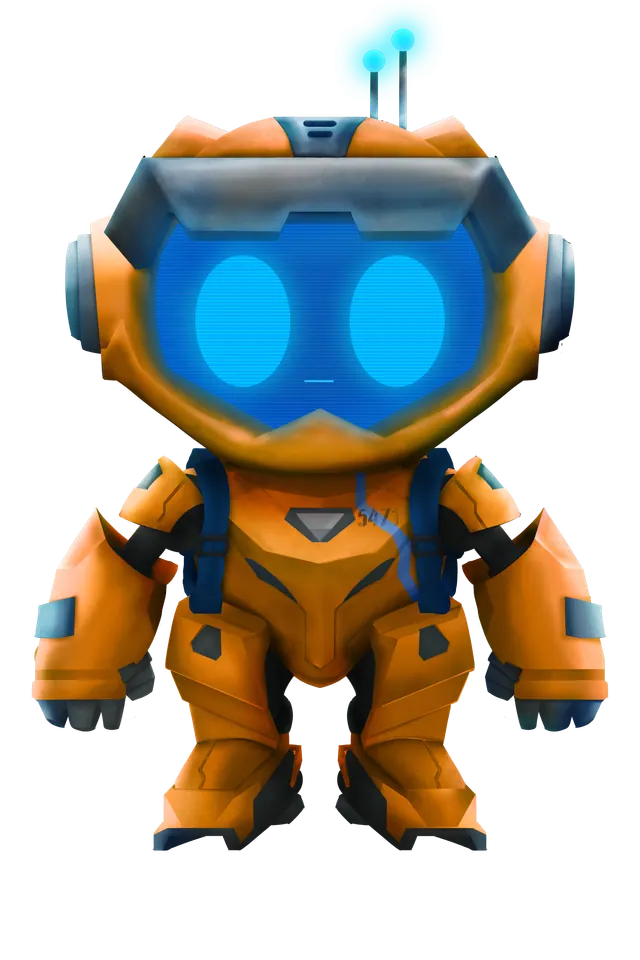
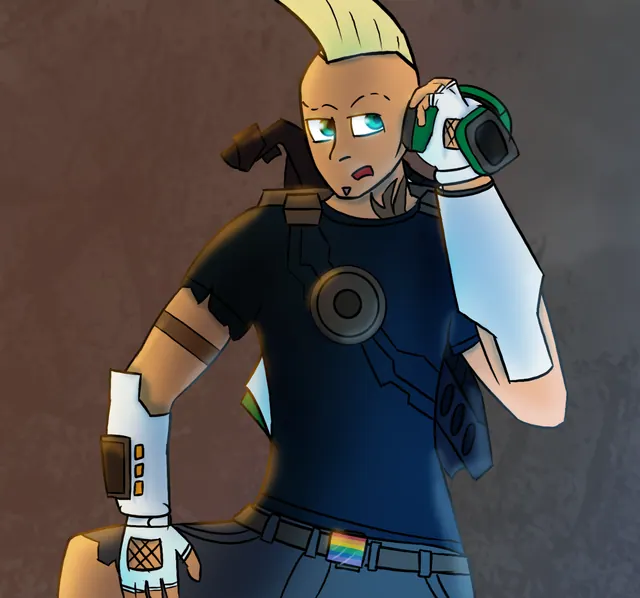
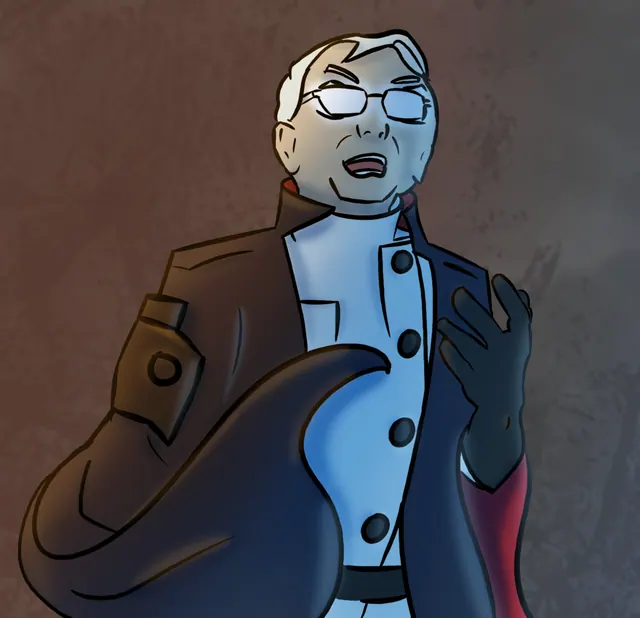
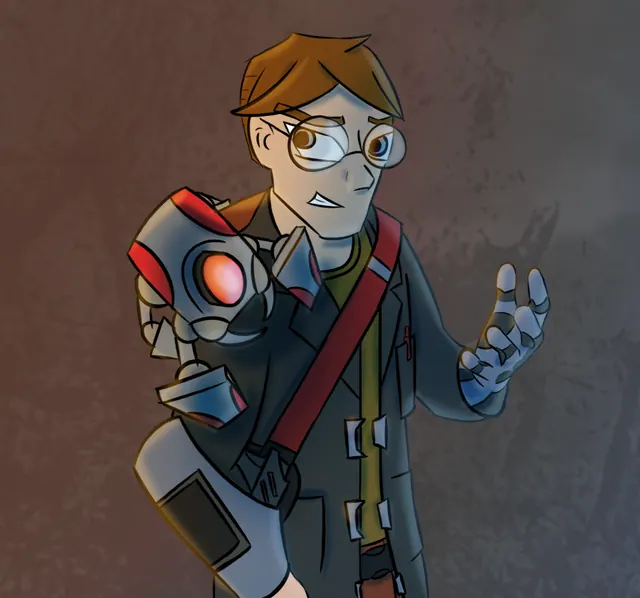
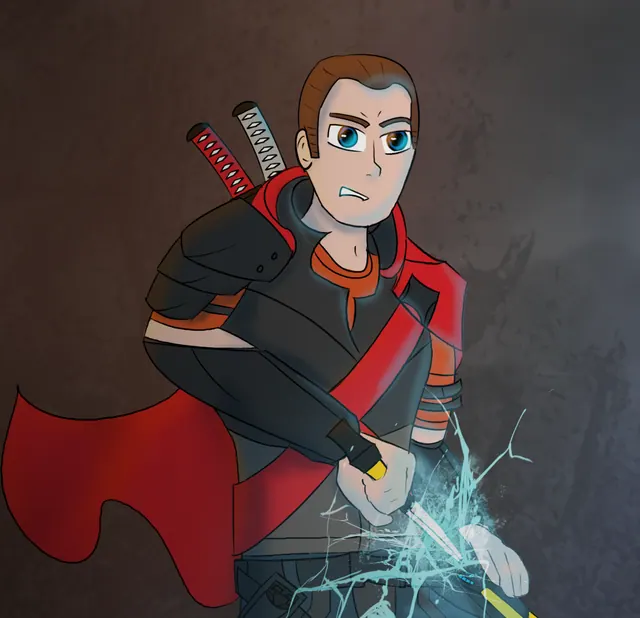
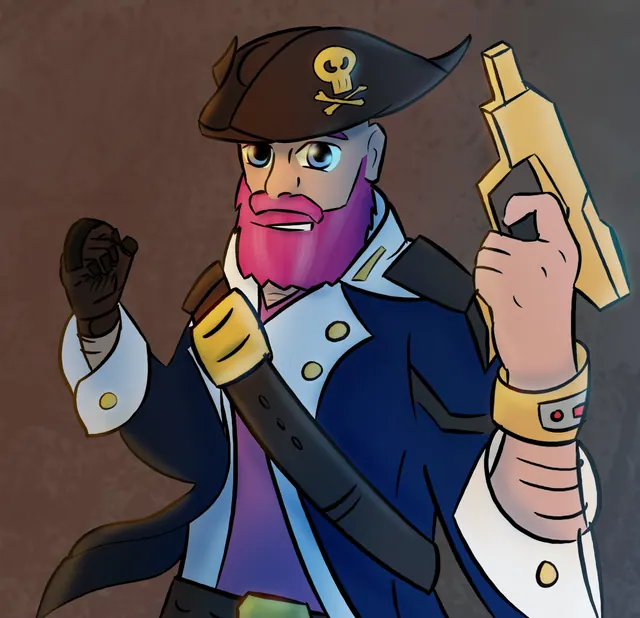
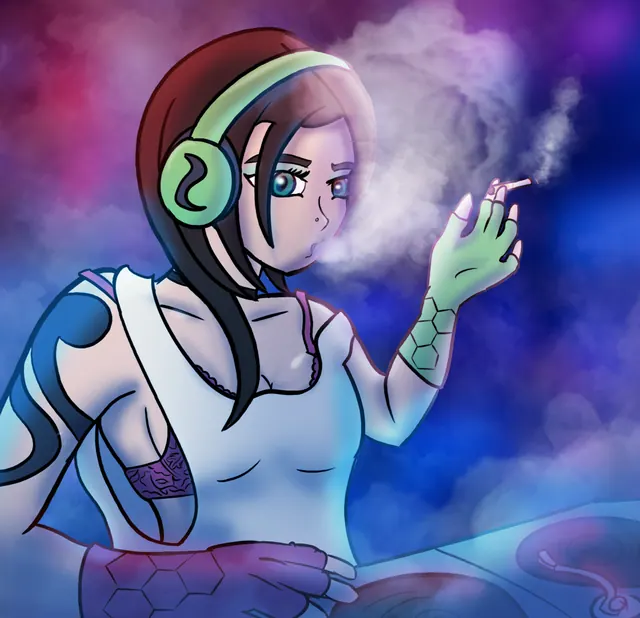
Sol art

Play it
Sol 1.4 on Tabletop Simulator
We’ve made every part of the game available as a free mod for Tabletop Simulator. Download it, play it, and tell us what you think.
Subscribe on Steam Workshop →- Download Tabletop Simulator. Get it through Steam.
- Subscribe to the Sol mod. Log in on the Steam Workshop page and click Subscribe.
- Load the Sol mod in-game. Start a new game, click Steam Workshop on the Games panel, then select the Sol mod.